Information of the Association
Occupational Therapist Association of Thailand (OTAT)
1. Building Academic and Professional Networks
The Association is dedicated to establishing and strengthening professional networks with national and international organizations. These include the World Federation of Occupational Therapists (WFOT), the Rehabilitation Medicine Association of Thailand, and the Thai Dysphagia Society. The goal of these collaborations is to enhance professional standards within the field and encourage the exchange of academic knowledge among practitioners and organizations.
2. Supporting Career Progression within the Civil Service
The Association actively coordinates and collaborates with agencies under the Office of the Permanent Secretary, Ministry of Public Health. This cooperation aims to support and develop career progression and professional development pathways for occupational therapists working within the civil service system. By doing so, the Association seeks to advance the occupational therapy profession and ensure ongoing professional growth.
3. Advocating for Enhanced Health Service Benefits
Collaboration with the National Health Security Office (NHSO) is a key priority for the Association. Together, they develop proposals for public health service items to improve the management of benefit packages under the Universal Coverage Scheme for Fiscal Year 2026. This initiative focuses on introducing new therapeutic devices and prosthetic items for rehabilitation and treatment, particularly those not previously covered under the National Health Security System.
4. Advancing Occupational Therapists Beyond the Ministry of Public Health
The Association is committed to supporting and promoting the professional advancement and career development of occupational therapists employed in organizations outside the Ministry of Public Health. The aim is to ensure equitable opportunities for professional growth across all practice settings within Thailand, regardless of affiliation.
5. Collaborating with Higher Education Institutions
A significant focus is placed on collaborating with universities and higher education institutions in the development and revision of occupational therapy curricula. The Association strives to ensure that educational programs are aligned with the contemporary needs of society, the health system, and both national and international professional standards.
6. Endorsing Professional Status and Certification
The Association promotes, supports, and provides endorsement and certification of professional status for its members. This recognition is intended to facilitate further education, employment opportunities, and the practice of occupational therapists as experts or qualified professionals at both the national and international levels.
OTAT Membership Statistics
Membership Growth (Year-over-Year)
| Year (B.E.) | Total Members | Existing Members | New Members |
|---|---|---|---|
| 2025 (As of 29 Dec) | 602 | 520 | 82 |
| 2024 | 547 | 449 | 98 |
| 2023 | 557 | 478 | 79 |
| 2022 | 518 | 417 | 101 |
Development of Membership Registrar in 2025
- Implemented email notifications to inform members when their membership is approaching expiration.
- Conducted public relations for membership renewal at the beginning of the year by sharing a link for checking membership status through the association’s Facebook and Line OA channels.
- Collaborated with the IT team to improve the membership status checking system, making it clearer and more user-friendly.
Occupational Therapy Education
Programs in Thailand: Chiang Mai University, Mahidol University, and Srinakharinwirot University
The Faculty of Associated Medical Sciences, Chiang Mai University, initiated Thailand’s first formal program in occupational therapy in 1974. Officially designated as the Department of Occupational Therapy in 1980, it admitted its first cohort of ten students, becoming the pioneer institution in the country.
In 1996, the Bachelor of Science program received official recognition from the World Federation of Occupational Therapists (WFOT). Building on this foundation, CMU launched a Master of Science program in 2006. With over 45 years of dedication, CMU has produced 1,816 graduates (by 2025) who significantly contribute to healthcare services nationwide.
Core Strengths & Research- Motor Control and Occupational Performance
- Occupation-based Practice (OBP)
- OT Digital Health & Innovative Solutions
- Brain and Cognitive Research
| Cohort | Year (B.E.) | Graduates | Cumulative |
|---|---|---|---|
| 1 | 2526 | 8 | 8 |
| 2 | 2527 | 12 | 20 |
| 3 | 2528 | 14 | 34 |
| 4 | 2529 | 13 | 47 |
| 5 | 2530 | 14 | 61 |
| 6 | 2531 | 10 | 71 |
| 7 | 2532 | 4 | 75 |
| 8 | 2533 | 9 | 84 |
| 9 | 2534 | 5 | 89 |
| 10 | 2535 | 17 | 106 |
| 11 | 2536 | 15 | 121 |
| 12 | 2537 | 17 | 138 |
| 13 | 2538 | 22 | 160 |
| 14 | 2539 | 21 | 181 |
| 15 | 2540 | 20 | 201 |
| 16 | 2541 | 27 | 228 |
| 17 | 2542 | 24 | 252 |
| 18 | 2543 | 58 | 310 |
| 19 | 2544 | 49 | 359 |
| 20 | 2545 | 55 | 414 |
| 21 | 2546 | 66 | 480 |
| 22 | 2547 | 51 | 531 |
| 23 | 2548 | 57 | 588 |
| 24 | 2549 | 64 | 652 |
| 25 | 2550 | 53 | 705 |
| 26 | 2551 | 64 | 769 |
| 27 | 2552 | 67 | 836 |
| 28 | 2553 | 54 | 890 |
| 29 | 2554 | 52 | 942 |
| 30 | 2555 | 53 | 995 |
| 31 | 2556 | 54 | 1049 |
| 32 | 2557 | 51 | 1100 |
| 33 | 2558 | 57 | 1157 |
| 34 | 2559 | 70 | 1227 |
| 35 | 2560 | 70 | 1297 |
| 36 | 2561 | 70 | 1367 |
| 37 | 2562 | 71 | 1438 |
| 38 | 2563 | 66 | 1504 |
| 39 | 2564 | 76 | 1580 |
| 40 | 2565 | 47 | 1627 |
| 41 | 2566 | 70 | 1697 |
| 42 | 2567 | 55 | 1752 |
| 43 | 2568 | 64 | 1816 |
The Division of Occupational Therapy (OTMU) was established in 2008 to address the growing demand for OTs and interprofessional practice. Situated within the Faculty of Physical Therapy, OTMU currently offers two academic programmes: the Bachelor of Occupational Therapy and the Master of Occupational Therapy (launched in 2024).
Since its establishment, OTMU has admitted 18 undergraduate cohorts and produced 346 graduates. The educational philosophy is grounded in occupation-based education, delivered through an Outcome-Based Education (OBE) framework and Interprofessional Education (IPE).
Excellence & Services- Physical Rehabilitation
- Paediatrics
- Geriatric Care
- Mental Health Practice
- WFOT: Full accreditation (2014–2021, 2021–2028)
- AUN-QA: Accredited (2018–2023)
- Approved by MHESI and OT Professional Committee
Established to address Thailand’s critical shortage of occupational therapists, this Bachelor of Science program is a unique collaboration between the Faculty of Physical Therapy (SWU) and the Department of Medical Services, Ministry of Public Health.
The program combines academic excellence with clinical mastery. Year 1-2 students study at Srinakharinwirot University, while Year 3-4 students study and practice at the Sirindhorn National Medical Rehabilitation Institute, gaining comprehensive experiences in physical, pediatric, geriatric, and assistive technologies.
MOU Signing Ceremony for Academic Cooperation in Swallowing Rehabilitation
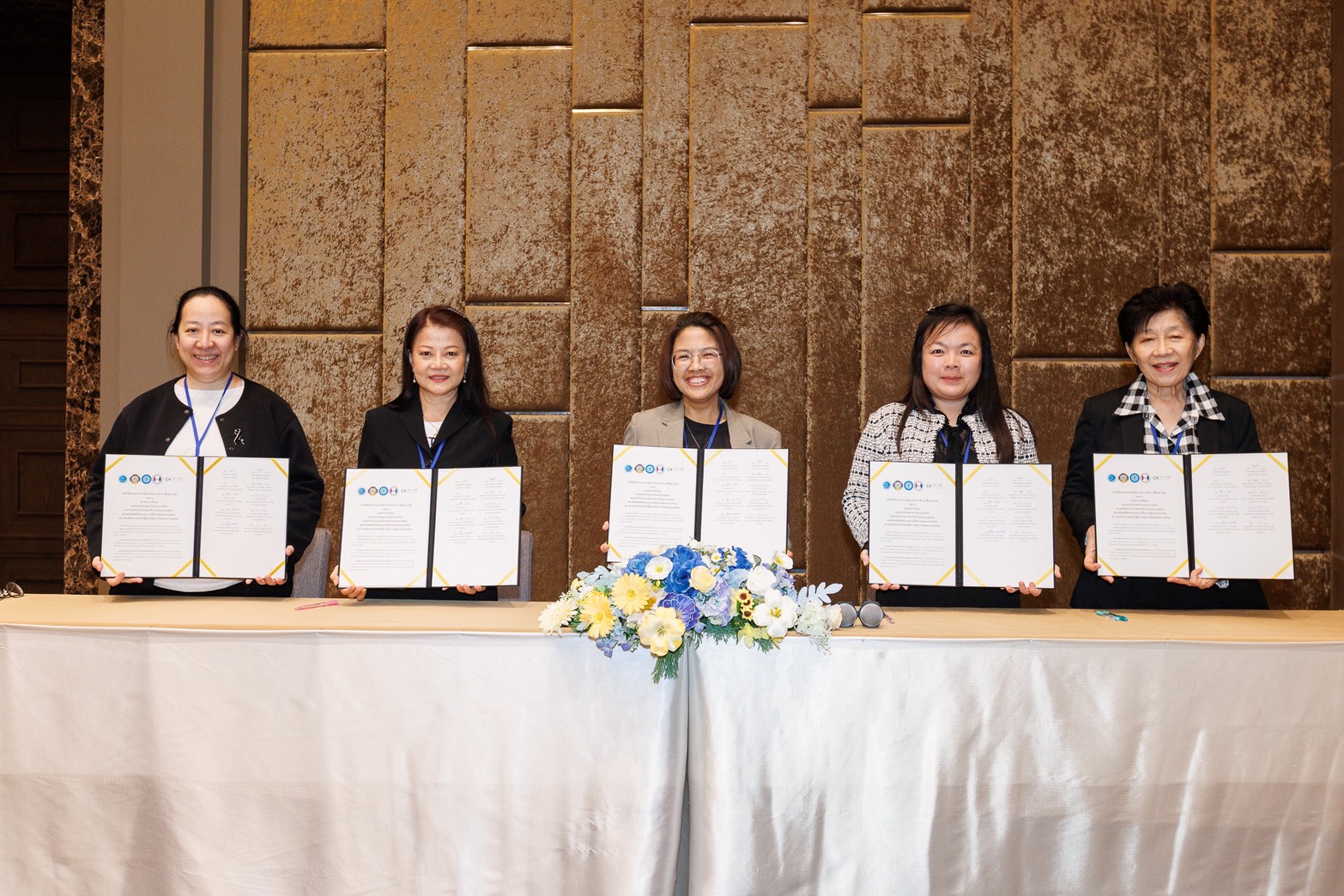
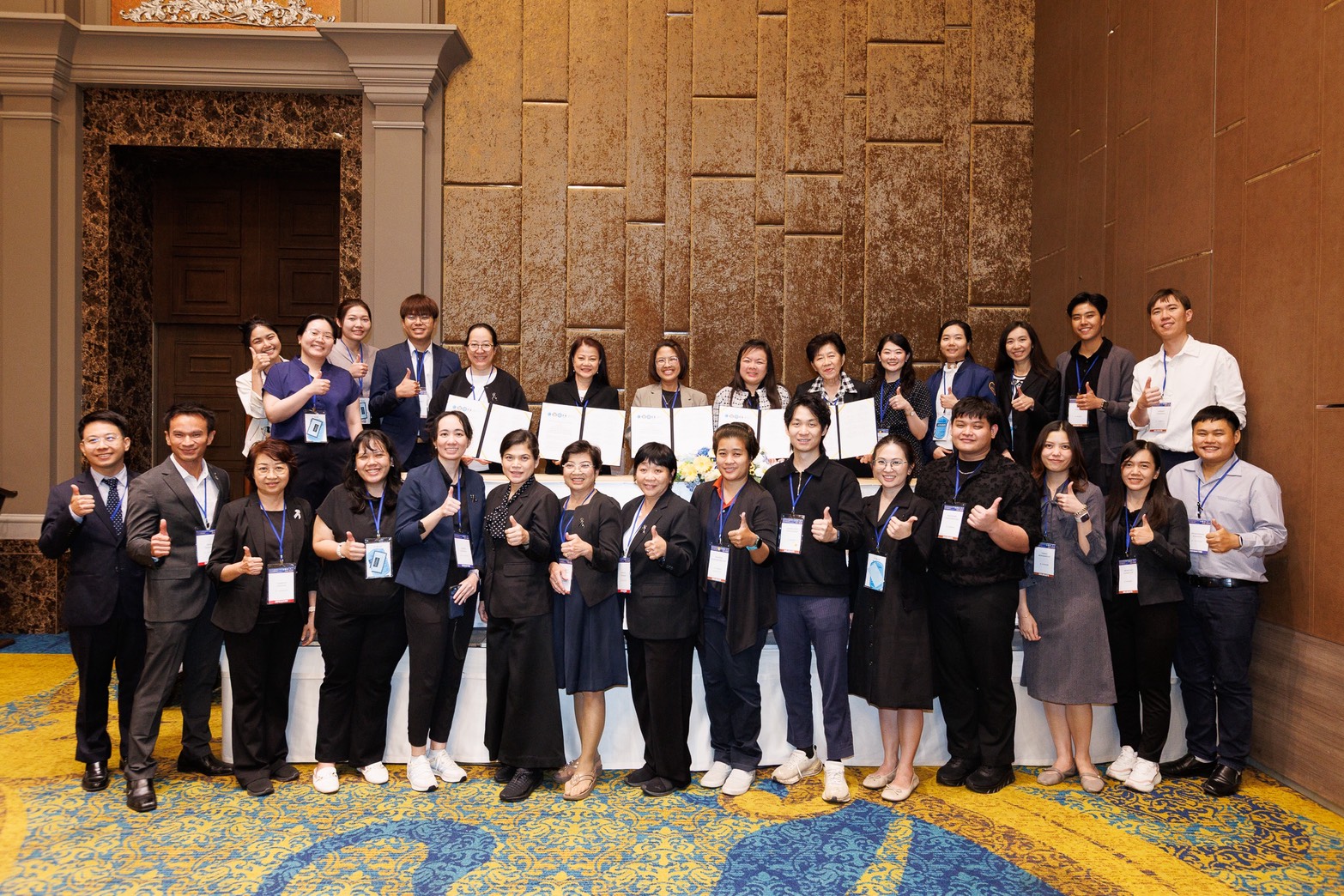
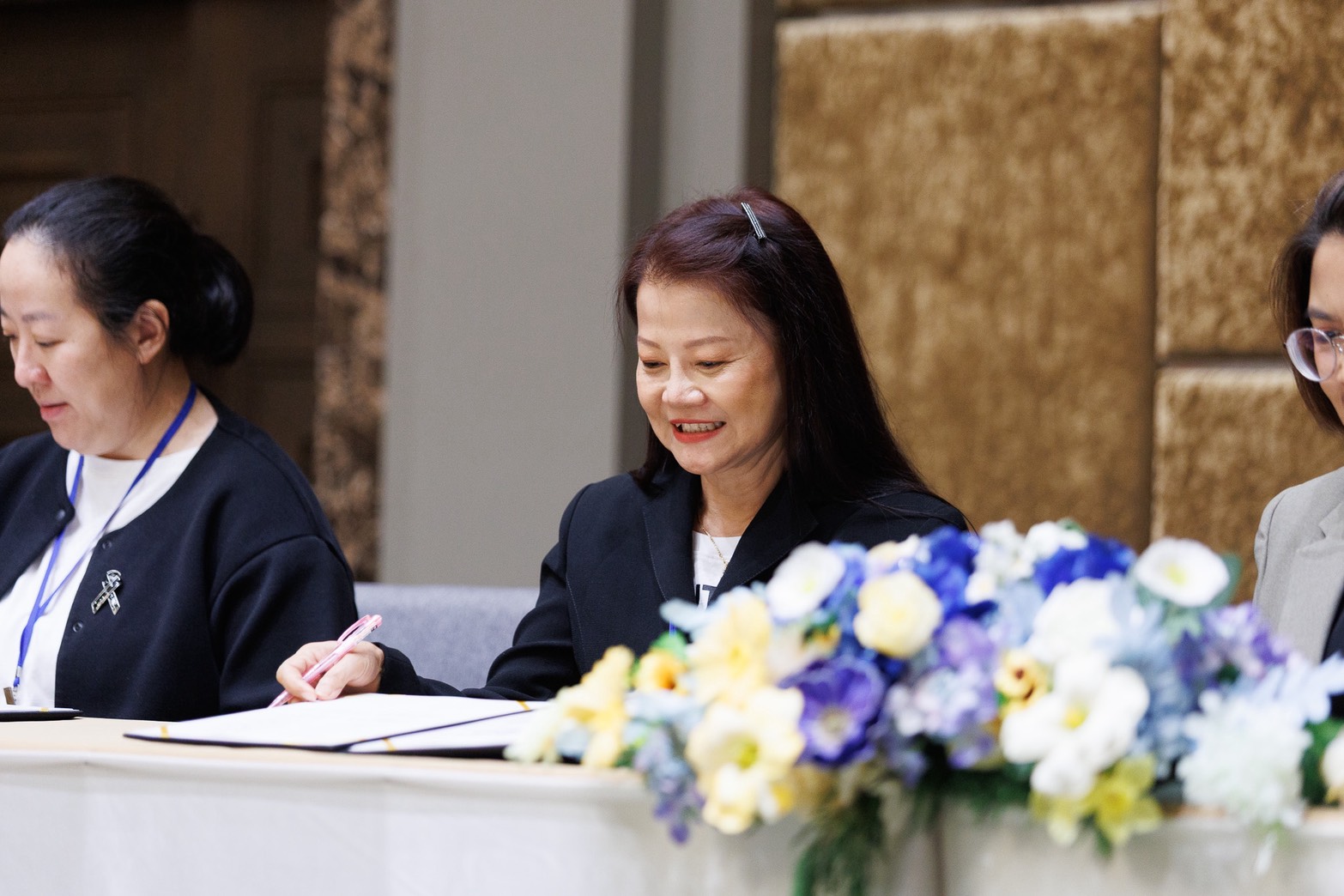
- The Thai Dysphagia Society
- The Thai Dietetic Association
- The Thai Speech-Language and Hearing Association
Key Objectives of Collaboration
- Exchange Knowledge: To exchange academic knowledge and experiences regarding swallowing rehabilitation among professionals.
- Research & Innovation: To promote research initiatives and the development of innovations in swallowing rehabilitation.
- Standardization: To develop professional standards and practice guidelines that are recognized at both national and international levels.
- Network & Development: To strengthen networks among experts and practitioners, and to foster continuous professional development (CPD) for personnel in the field.
- Public Awareness: To disseminate knowledge and raise public awareness within society regarding dysphagia and rehabilitation.